
Uncovering the truth behind common gambling myths and misconceptions
Understanding the Psychology of Gambling
The psychology of gambling is a complex field that dives deep into the motivations and behaviors of individuals who engage in this activity. Many people believe that gambling is purely a game of chance, but psychological factors play a significant role in influencing decisions and outcomes. For instance, cognitive biases such as the gambler’s fallacy, where individuals believe that past outcomes affect future results, often lead to illogical betting patterns. Additionally, some players look for casinos not on gamstop no deposit bonus as a way to improve their chances, but this approach may overlook the underlying psychological aspects of their decisions.
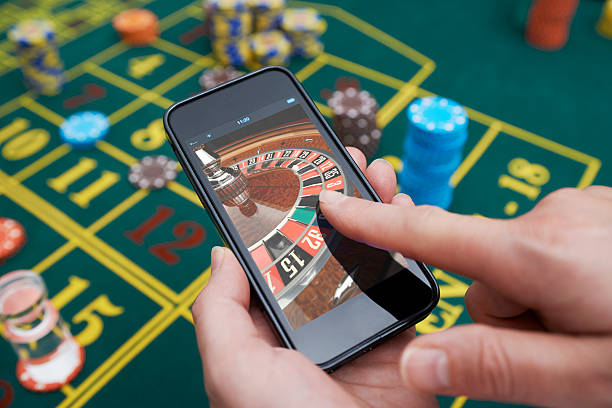
Moreover, emotional factors can also impact gambling behavior. Many players chase losses, convinced that their next bet will turn their luck around. This psychological drive can lead to problematic gambling habits, where individuals spend more than they can afford, mistaking gambling for a means of escape or relief from stress. Understanding these psychological elements is essential for debunking common myths.
The Myth of “Hot” and “Cold” Machines
One prevalent myth in gambling, especially in casinos, is the belief in “hot” and “cold” machines. Many players think that if a slot machine has not paid out for a while, it is due for a win, while others believe that a machine that has recently paid out is “hot” and will continue to do so. In reality, each spin of a slot machine is independent, governed by random number generators that ensure fairness and unpredictability.
This misconception can lead players to waste their money on machines they believe are more likely to pay out. Understanding that every play is a separate event can help gamblers make more informed choices and reduce the emotional rollercoaster that often accompanies these beliefs.
The Role of Luck vs. Skill in Gambling
Another myth is the assumption that all gambling games are purely based on luck. While games like slots are indeed random, others like poker and blackjack involve a significant degree of skill. Players who understand the rules, strategies, and probabilities can improve their chances of winning. This skill-based aspect can often lead to misconceptions that all games are the same, causing players to underestimate the importance of learning and practice.
The distinction between luck and skill is crucial for responsible gambling. Players should recognize that while luck can influence short-term outcomes, skill and strategy can enhance long-term success. This understanding can lead to more responsible gambling behavior and better decision-making.
Gambling Addiction and Its Misconceptions
Gambling addiction is often misunderstood, leading to stigma and misinformation. Many believe that addiction is solely about losing money; however, it is a complex psychological issue that can affect anyone, regardless of their financial status. The notion that only certain types of gamblers can develop an addiction is false. In reality, anyone who gambles can experience addiction, especially those who use gambling as a coping mechanism for stress, anxiety, or depression.
Additionally, misconceptions surrounding gambling addiction can hinder individuals from seeking help. Many may think they can control their gambling habits on their own or believe that they should be able to stop without assistance. Recognizing gambling addiction as a serious condition is essential for promoting awareness and encouraging individuals to seek the help they need.
About Our Website
Our website aims to provide reliable information and insights into the world of gambling, focusing on debunking myths and educating readers about the psychological aspects of gambling. We strive to create a space where both casual players and those seeking to understand gambling more deeply can find valuable resources. By addressing misconceptions and highlighting the truth behind gambling behaviors, we hope to foster informed decision-making.
Join us as we explore the nuances of gambling, offering expert opinions, strategies, and support for those looking to navigate this complex landscape. Together, we can work towards responsible gambling practices and a clearer understanding of the underlying psychology that influences our choices.