

You may need to revise the estimate if your customer decides to cut back on the project or product order, add additional products or services, or change their order. And in some cases, the customer may cancel the project or product order after receiving the estimate. Now that you’re familiar with estimates, you may be wondering what is an invoice.

Final Thoughts: Converting an Estimate to an Invoice
- Make sure the project details, costs, and item descriptions match the work done.
- You use an estimate when the project is opened up to you or when the client wants to know the best cost you can provide them.
- They are often presented in a more informal format and may be sent via email or in person.
- Read along to understand how to make the most of each of these documents to keep your finances in order.
- Invoices are fundamental instruments in the financial framework of any business, serving as formal payment requests that signal the conclusion of a service or the delivery of goods.
- To streamline this process and avoid missed steps, consider using the Tofu Invoicing App.
Include a validity period to protect your business from significant material CARES Act cost increases. Start by ensuring that every estimate meets the specific needs of each client. This shows attention to detail and understanding of their unique requirements, which can significantly influence their decision to work with you. Let’s delve deeper into the estimate vs. invoice differences and their roles in a business setting. An estimate is always just a rough calculation for the cost of work needed to be done upon initial inspection.
- A pro forma invoice can be helpful when establishing new business relationships.
- It is a persuasive tool created to highlight your company’s abilities, attend to a particular need, and show how your solutions can meet the client’s needs successfully.
- Misusing or misinterpreting legal terms could lead to legal problems and can cause damage to your reputation, losing valuable clients.
- Let’s delve deeper into the estimate vs. invoice differences and their roles in a business setting.
- Depending on the nature of your business, you might need to include additional paperwork related to the services you provide.
- You can navigate negotiations, contracts, and client relationships more effectively by grasping these differences.
Sales orders or Estimates with QB online
- As we conclude our discussion, it’s clear that understanding the legal differences among estimates, quotes, and invoices is vital for successful business operations.
- Unlike a bid, however, a proposal might be negotiable, allowing you and your client to make adjustments according to specifications or changes in the project scope.
- They are legally binding and typically reflect the final agreed-upon price.
- For my business, one of the headaches was managing both stocks and expenses.
- Other formats may be used in each industry as well, which are based on different project parameters.
- The primary purpose of an estimate is to set expectations and provide a pricing forecast, helping clients make informed decisions about proceeding with a project.
Estimates and invoices in ZipBooks are very similar in appearance and function. For my business, one of the headaches was managing both stocks and expenses. Luckily, I switched to Moon Invoice and found the hassles of stock and expense estimate vs invoice management getting faded. This clearly states that an invoice and an estimate are entirely different. Understand credit balances in accounts receivable, their causes, and solutions.
Invoices

An estimate is an educated guess regarding the cost and scope of a project. The date of the pro forma invoice will be included, just like on a regular invoice. This will help ensure that all parties know when the invoice was issued. A pro forma commercial invoice can also secure financing for upcoming transactions. Lenders may require a pro forma to assess the viability of a deal before providing funding. The buyer or seller can use this information to secure more favorable trade financing terms.
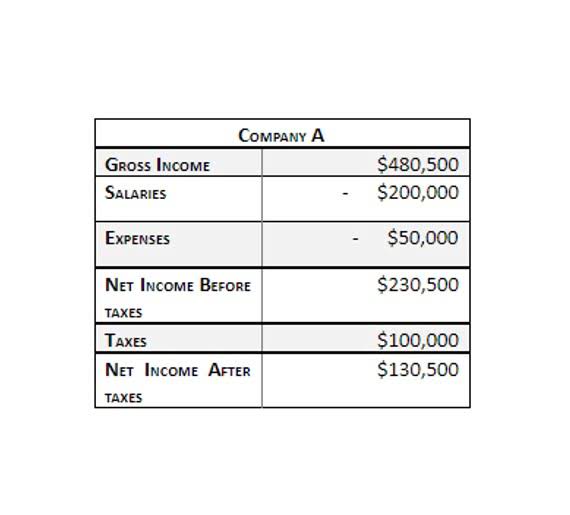
Estimates are commonly used at the beginning of a project to give clients an idea of how much they can expect to pay. They are often used to secure new business and establish trust with clients. Invoices, on the other hand, are used to request payment for goods or services that have already been provided. They are essential for maintaining cash flow and ensuring that businesses are paid for their work. They serve as the primary document for recording transactions, ensuring that the business has a reliable record of sales and purchases.
If payment is not made on time, the business can take legal action to recover the outstanding amount. Estimates are typically non-binding, Cash Flow Statement meaning they serve as a forecast or proposal, not a contractual agreement. The final cost may vary from the estimate, depending on the actual scope of work, unforeseen expenses, or changes in the project.